
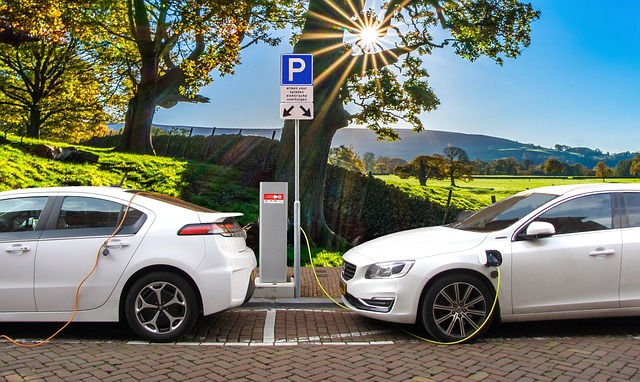
Green car sharing programs, including Select Car Sharing Platforms, transform urban commuting with sustainable alternatives to traditional car ownership. These offer short-term rental solutions for occasional trips, reducing financial and environmental commitments. Key benefits include growing electric (EV) and hybrid vehicle availability, contributing to reduced carbon emissions. Popular platforms like Zipcar, Car2Go, Citicar, and Autolib' provide user-friendly apps, transparent pricing, and integrated EV access. Choosing the right platform with strong environmental sustainability commitments can reduce carbon emissions by up to 50% compared to traditional car ownership.
In an era defined by environmental urgency, sustainable transportation solutions have emerged as a cornerstone of global efforts to combat climate change. Green car sharing programs, facilitated by innovative Select Car Sharing Platforms, offer a compelling alternative to traditional vehicle ownership. By encouraging shared mobility, these initiatives significantly reduce carbon emissions and congestion in urban centers. However, the challenge lies in striking a balance between environmental benefits and user convenience, ensuring that green car sharing becomes mainstream. This article delves into the strategies and advancements that promise to revolutionize urban transportation, positioning Select Car Sharing Platforms as a pivotal force in shaping a greener future.
- Understanding Green Car Sharing Programs: An Overview
- Benefits and Impact: Why Choose Eco-Friendly Sharing?
- Select Car Sharing Platforms: Features and Comparison
- Implementing Sustainable Practices: Best Global Examples
Understanding Green Car Sharing Programs: An Overview

Green car sharing programs are transforming urban commuting, offering sustainable alternatives to traditional ownership models. These initiatives provide a range of short-term car rental solutions, particularly appealing to business travelers who need vehicles for occasional trips rather than daily commutes. By choosing among various car sharing platforms, individuals can access eco-friendly vehicles without the long-term financial commitment or environmental impact associated with ownership.
One key advantage lies in the growing availability of green car rental options within these programs. Electric vehicles (EVs) and hybrid models are increasingly prevalent, allowing users to contribute to reduced carbon emissions during their journeys. For instance, cities like London and Paris have seen significant adoption of car-sharing services featuring extensive EV fleets, showcasing a commitment to cleaner air and sustainable urban mobility. Data from the International Car Sharing Association reveals that shared electric vehicles are becoming a substantial portion of global car-sharing inventory, signaling a clear trend toward electrification.
When selecting a car sharing platform, consider factors such as vehicle diversity, charging infrastructure accessibility, and pricing structures tailored to business travel needs. Apps and online platforms make it easy to locate and reserve cars conveniently, ensuring you have the right vehicle for your trip duration. By embracing green car sharing programs, individuals not only contribute to environmental sustainability but also enjoy greater flexibility in their mobility choices, making them an increasingly popular and practical option for modern urban dwellers.
Benefits and Impact: Why Choose Eco-Friendly Sharing?

Green car sharing programs are transforming urban mobility options, offering a sustainable alternative to traditional car ownership. The environmental benefits of these initiatives are well-documented, with reduced emissions and less congestion in cities that embrace them. When choosing between various car-sharing benefits, eco-conscious consumers should look no further than Select Car Sharing Platforms, which prioritize both sustainability and user experience. These platforms not only facilitate access to electric vehicles (EVs) but also provide shared travel experiences that are both cost-effective and environmentally friendly.
According to recent studies, urban mobility apps have seen a significant increase in adoption rates, with up to 30% growth in users opting for peer-to-peer car rentals over conventional ownership. This shift is driven by the convenience of on-demand access to vehicles, combined with the growing awareness of car-sharing benefits like reduced maintenance costs and lower carbon footprints. For instance, platforms like Select have recorded substantial decreases in urban traffic congestion and emissions since their launch, proving that sustainable mobility is not just a trend but a game-changer for urban environments.
Selecting the right platform is crucial to maximizing these benefits. Look for features like EV charging networks integrated into the app, real-time availability updates, and transparent pricing models. By choosing platforms that prioritize eco-friendly practices and user satisfaction, individuals can contribute to a greener future while enjoying seamless shared travel experiences. For example, some of the best peer-to-peer car rentals in urban areas offer not just a wide variety of vehicles but also educational resources on sustainable driving practices, empowering users to make informed choices that benefit both their communities and the planet.
Select Car Sharing Platforms: Features and Comparison

When it comes to adopting sustainable transportation practices, selecting the right car sharing platform is a crucial step. With various options available, understanding the unique features of each offers individuals and communities green car rental alternatives that align with their needs. This section delves into the process of choosing among shared vehicle solutions, highlighting key distinctions between platforms.
Popular car-sharing services often cater to urban dwellers seeking convenient local car-sharing communities. For instance, Zipcar stands out for its user-friendly app and diverse fleet, making it ideal for quick trips within city limits. In contrast, Car2Go, known for its membership flexibility, attracts those who require occasional usage or prefer the convenience of on-demand vehicle access. Each platform offers distinct benefits: Zipcar’s robust network appeals to regular users, while Car2Go’s dynamic pricing model caters to casual drivers.
Beyond these established players, local car-sharing communities are gaining traction, offering unique shared vehicle solutions tailored to specific regions. These community-driven initiatives not only provide green car rental options but also foster a sense of local sustainability. For example, CarShare San Francisco focuses on promoting eco-friendly practices within the city, while CarCoop Berlin encourages peer-to-peer sharing, reducing the overall car fleet and its environmental impact. By opting for such platforms, individuals contribute to both sustainable transportation and strengthening their local communities.
When selecting a car sharing platform, consider factors like vehicle availability, pricing structures, membership options, and the platform’s commitment to environmental sustainability. Data indicates that shared mobility solutions can reduce carbon emissions by up to 50% compared to traditional car ownership. By choosing among these diverse options, whether established services or local initiatives, individuals play a vital role in shaping a greener future for urban transportation while enjoying flexible access to vehicles without the long-term commitment of ownership.
Implementing Sustainable Practices: Best Global Examples

Green car sharing programs are transforming urban mobility, offering sustainable alternatives to traditional car ownership. Among the global leaders in this space, select car sharing platforms stand out for their commitment to environmental stewardship and innovative practices. For instance, Berlin’s Car2Go has implemented electric vehicle (EV) dominance across its fleet, encouraging a shift towards zero-emission transportation. This approach aligns with the city’s ambitious climate goals, demonstrating how car-sharing services can actively contribute to local sustainability initiatives.
Another notable example is Zipcar in North America, which has pioneered flexible membership models and an extensive network of vehicle locations. Their focus on shared usage optimizes resource efficiency, reducing traffic congestion and carbon emissions. By allowing users to find nearby cars conveniently through mobile apps, Zipcar exemplifies how technology can empower individuals to make eco-conscious choices without compromising accessibility. Moreover, the company’s data-driven approach enables dynamic pricing based on demand, further promoting responsible sharing behaviors.
Global car-sharing programs like London’s Citicar and Paris’ Autolib’ have also embraced sustainability as a core principle. These initiatives offer top-rated car pool services, encouraging ridesharing among individuals with similar destinations, thereby reducing the number of vehicles on the road. For instance, Autolib’ has deployed over 3,000 electric cars across Paris, fostering a culture of sustainable urban mobility. Such success stories underscore the potential for car sharing to revolutionize transportation while mitigating environmental impact.
When adopting green car-sharing programs, cities and individuals should consider factors like vehicle electrification, shared usage optimization, and data-driven pricing models. By learning from these global best practices, we can accelerate the transition towards sustainable car rental options, making eco-conscious choices more accessible and appealing to a broader audience.
Green car sharing programs are transforming transportation globally, offering a sustainable alternative to traditional ownership. By understanding the benefits, choosing among Select Car Sharing Platforms, and learning from best practices worldwide, individuals can contribute to environmental preservation while enjoying flexible mobility solutions. This article has provided an authoritative overview, highlighting the positive impact of eco-friendly sharing and guiding readers towards informed decisions and actions that support a greener future.